Roof decking & structural support
OSB or plywood provides the base for the roof covering. Its condition, support, and fastening matter; damaged decking may become visible only after tear-off.
Whether you need a targeted repair or a roof replacement, we help you understand the visible conditions and the proposed work. Our roofing services include asphalt shingles and flat-roof systems such as EPDM and TPO, with attention to the surrounding details that help manage water.
The visible roof covering is only one part of the protection. Support, water barriers, edge details, flashing, and ventilation all contribute to performance. Here is what those parts do.
OSB or plywood provides the base for the roof covering. Its condition, support, and fastening matter; damaged decking may become visible only after tear-off.
Underlayment adds protection beneath shingles. Ice-and-water membrane protects vulnerable locations where required by the roof design, local requirements, and selected system.
Starter courses, field shingles, and hip or ridge caps perform different jobs. They must work together with the appropriate attachment and installation details.
Flashing manages water around walls, chimneys, valleys, and penetrations. Drip edge and properly detailed transitions help direct runoff away from vulnerable wood.
For vented attic assemblies, coordinated intake and exhaust help manage heat and moisture. Ventilation needs depend on the building and roof assembly.
EPDM and TPO use membranes instead of shingles. Substrate or insulation, seams, drains, perimeter attachment, and penetrations need details designed for the selected membrane system.
Homeowner background: GAF roof components and roof warning signs. Product references explain typical assemblies and do not imply manufacturer certification.
These are reasons to have the area evaluated—not a diagnosis or an automatic recommendation to replace everything.
Water marks, damp insulation, or drips call for investigation. Roof leaks and indoor condensation can produce similar symptoms.
Visible damage may allow water in. The extent and condition of the surrounding roof help determine whether a repair is practical.
A change in roof shape, soft fascia, or decayed sheathing can point to a deeper problem and should be assessed promptly.
Recurring trouble at a chimney, wall, or vent may involve flashing or underlying conditions rather than the shingles alone.
Discuss the roof covering, accessible conditions, ventilation, flashing, and known leaks.
A replacement scope normally describes tear-off, debris handling, and how concealed decking damage will be priced and approved.
Identify the roofing system, underlayment, flashing, edges, ventilation work, cleanup, and project-specific warranty terms.
Every property is different. Your estimate will define the specific materials, preparation, installation, and finish work included.
Discuss leaks, storm damage, worn components, and the areas that need attention.
Review removal, decking allowances, underlayment, roofing, and disposal.
Concealed damage and additional work are addressed through the agreed estimate process.
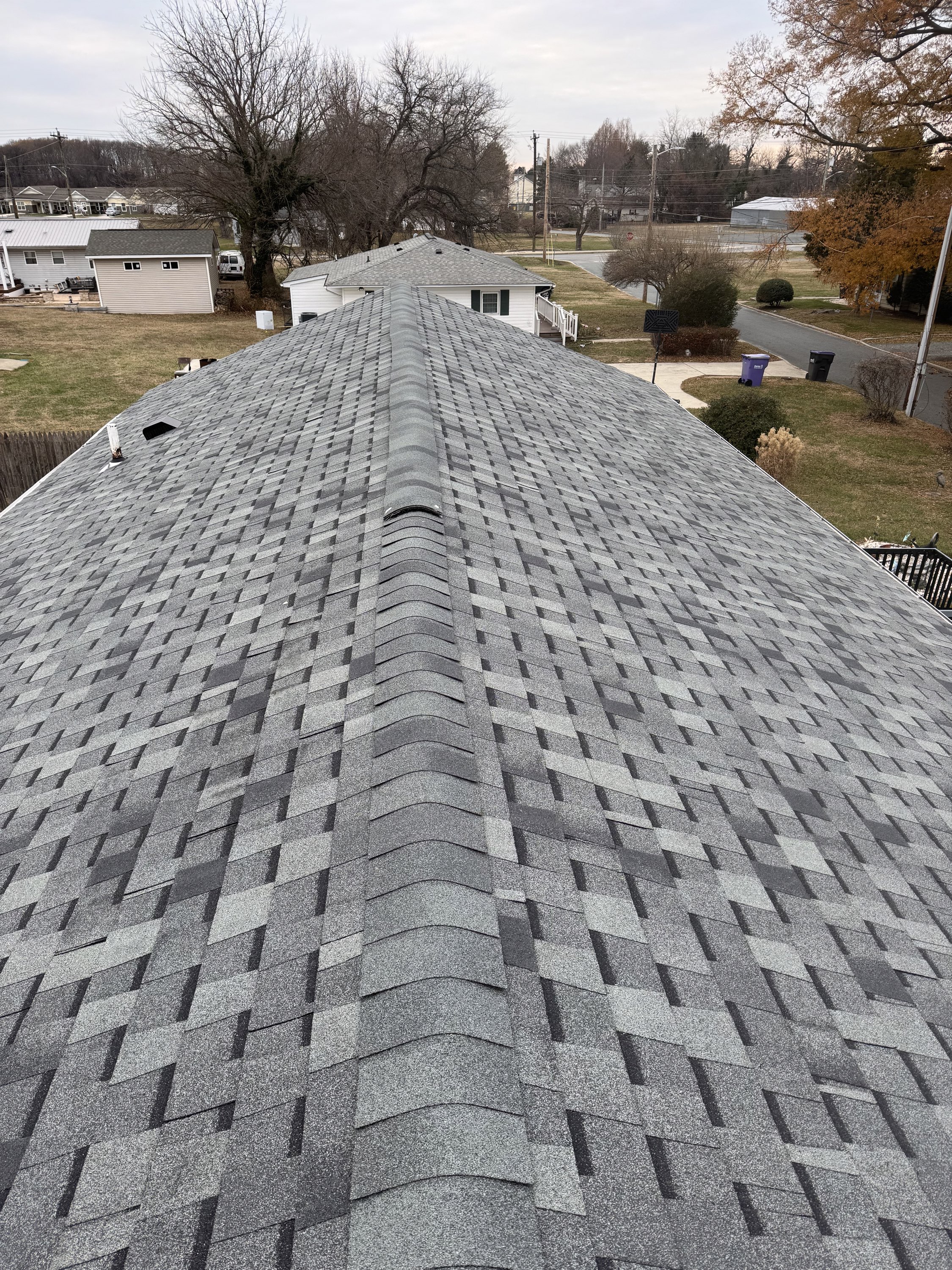
Explore photographs of exterior, deck, roofing, and interior work from our current website.
View project gallery ↗Tell us your project location, the work you want completed, and your preferred timing. Photos, rough dimensions, and examples of finishes you like help us understand your goals.
Your written estimate defines the materials and work included. If concealed damage or a requested change affects the scope, we discuss the additional work before proceeding.
Permit requirements and the responsibilities for plumbing, electrical, HVAC, and any engineering are reviewed for the specific project and documented in the proposal.
Tell us what you have in mind. We’ll help define the next step.